
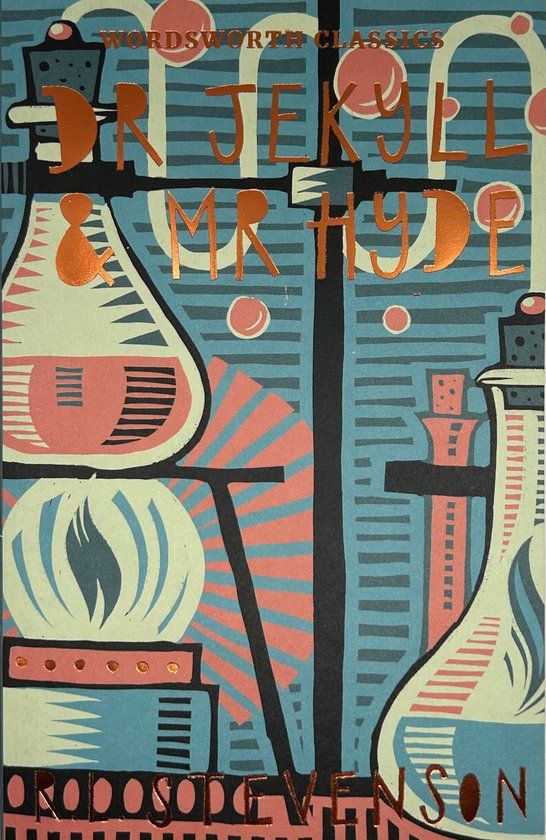
First published to critical acclaim in 1886, this mesmerising thriller is a terrifying study of the duality of man’s nature. This volume also includes a collection of Stevenson’s short stories
With an Introduction and Notes by Dr Tim Middleton, Head of English Studies, University of Ripon and York.
In seeking to discover his inner self, the brilliant Dr Jekyll discovers a monster. First published to critical acclaim in 1886, this mesmerising thriller is a terrifying study of the duality of man’s nature, and it is the book which established Stevenson’s reputation as a writer.
Also included in this volume is Stevenson’s 1887 collection of short stories, The Merry Men and Other Tales and Fables.
The Merry Men is a gripping Highland tale of shipwrecks and madness; Markheim, the sinister study of the mind of a murderer; Thrawn Janet, a spine-chilling tale of demonic possession; Olalla, a study of degeneration and incipient vampirism in the Spanish mountains; Will O’ the Mill, a thought-provoking fable about a mountain inn-keeper; and The Treasure of Franchard, a study of French bourgeois life.
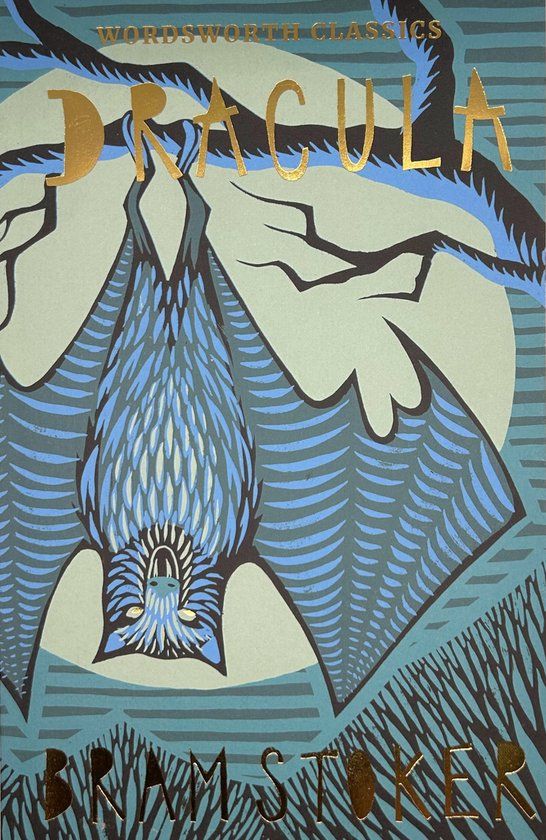
Bram Stoker’s chilling masterpiece, Dracula, is a truly iconic and unsettling tale of vampirism.
Introduction and Notes by Dr David Rogers, Kingston University.
‘There he lay looking as if youth had been half-renewed, for the white hair and moustache were changed to dark iron-grey, the cheeks were fuller, and the white skin seemed ruby-red underneath; the mouth was redder than ever, for on the lips were gouts of fresh blood, which trickled from the corners of the mouth and ran over the chin and neck. Even the deep, burning eyes seemed set amongst the swollen flesh, for the lids and pouches underneath were bloated. It seemed as if the whole awful creature were simply gorged with blood; he lay like a filthy leech, exhausted with his repletion.’
Thus Bram Stoker, one of the greatest exponents of the supernatural narrative, describes the demonic subject of his chilling masterpiece Dracula, a truly iconic and unsettling tale of vampirism.
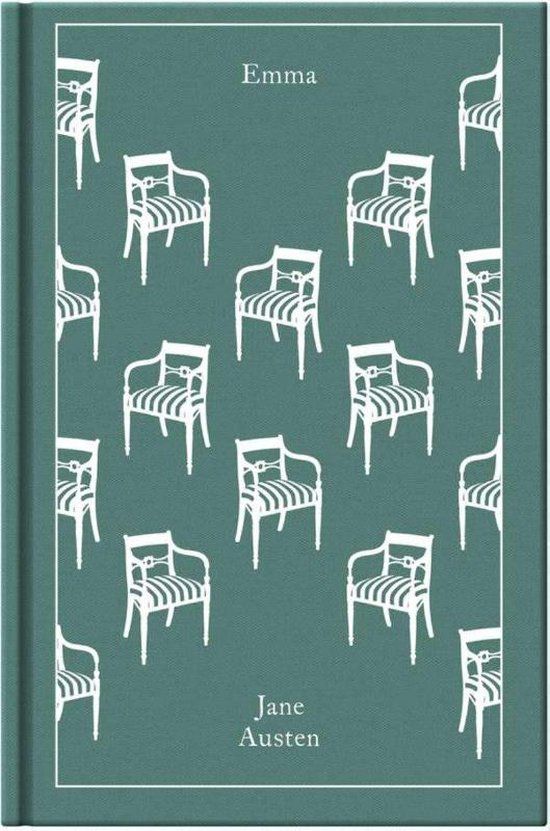
Beautiful, clever, rich – and single – Emma Woodhouse is perfectly content with her life and sees no need for either love or marriage. Nothing, however, delights her more than interfering in the romantic lives of others. But when she ignores the warnings of her good friend Mr Knightley and attempts to arrange a suitable match for Harriet Smith.
Part of Penguin’s beautiful hardback Clothbound Classics series, designed by the award-winning Coralie Bickford-Smith, these delectable and collectible editions are bound in high-quality colourful, tactile cloth with foil stamped into the design.
Beautiful, clever, rich – and single – Emma Woodhouse is perfectly content with her life and sees no need for either love or marriage. Nothing, however, delights her more than interfering in the romantic lives of others. But when she ignores the warnings of her good friend Mr Knightley and attempts to arrange a suitable match for her protégée Harriet Smith, her carefully laid plans soon unravel and have consequences that she never expected. With its imperfect but charming heroine and its witty and subtle exploration of relationships, Emma is often seen as Jane Austen’s most flawless work.
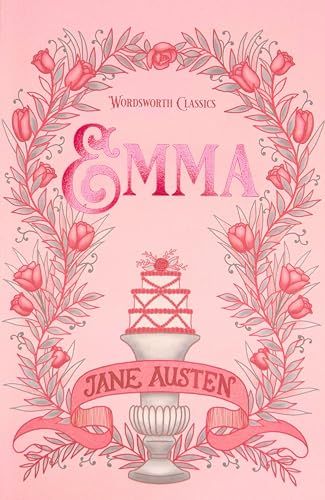
Jane Austen teased readers with the idea of a ‘heroine whom no one but myself will much like’, but Emma is irresistible. ‘Handsome, clever, and rich’, Emma is also an ‘imaginist’, ‘on fire with speculation and foresight’. Her matchmaking maps out relationships that Jane Austen ironically tweaks into a clearer perspective.
With an Introduction and Notes by Dr Nicola Bradbury, University of Reading.
Jane Austen teased readers with the idea of a ‘heroine whom no one but myself will much like’, but Emma is irresistible. ‘Handsome, clever, and rich’, Emma is also an ‘imaginist’, ‘on fire with speculation and foresight’. She sees the signs of romance all around her, but thinks she will never be married.
Her matchmaking maps out relationships that Jane Austen ironically tweaks into a clearer perspective. Judgement and imagination are matched in games the reader too can enjoy, and the end is a triumph of understanding.
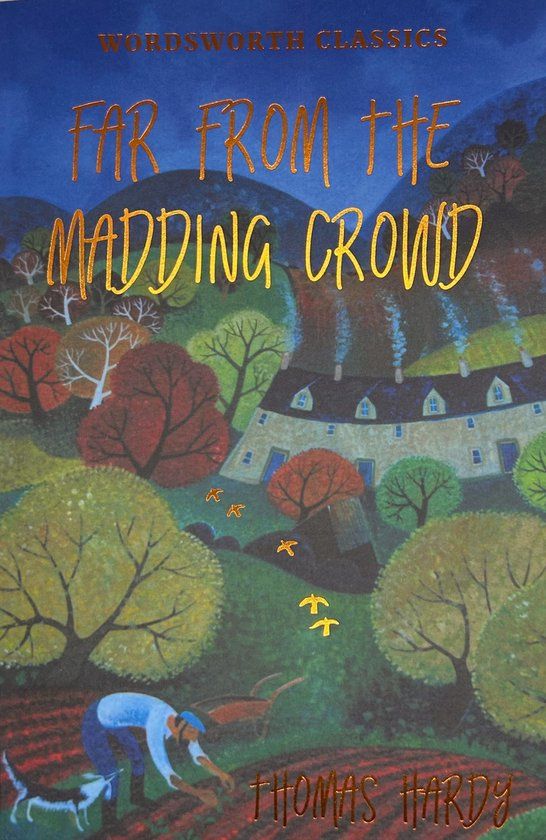
Set in Wessex countryside, this is a story of a young farmer Gabriel Oak and his love for and pursuit of the elusive Bathsheba Everdene, whose wayward nature leads her to both tragedy and true love.
Introduction and Notes by Norman Vance, Professor of English, University of Sussex.
Far from the Madding Crowd is perhaps the most pastoral of Hardy’s Wessex novels. It tells the story of the young farmer Gabriel Oak and his love for and pursuit of the elusive Bathsheba Everdene, whose wayward nature leads her to both tragedy and true love.
It tells of the dashing Sergeant Troy whose rakish philosophy of life was ‘…the past was yesterday; never, the day after’, and lastly, of the introverted and reclusive gentleman farmer, Mr Boldwood, whose love fills him with ‘…a fearful sense of exposure’, when he first sets eyes on Bathsheba.
The background of this tale is the Wessex countryside in all its moods, contriving to make it one of the most English of great English novels.
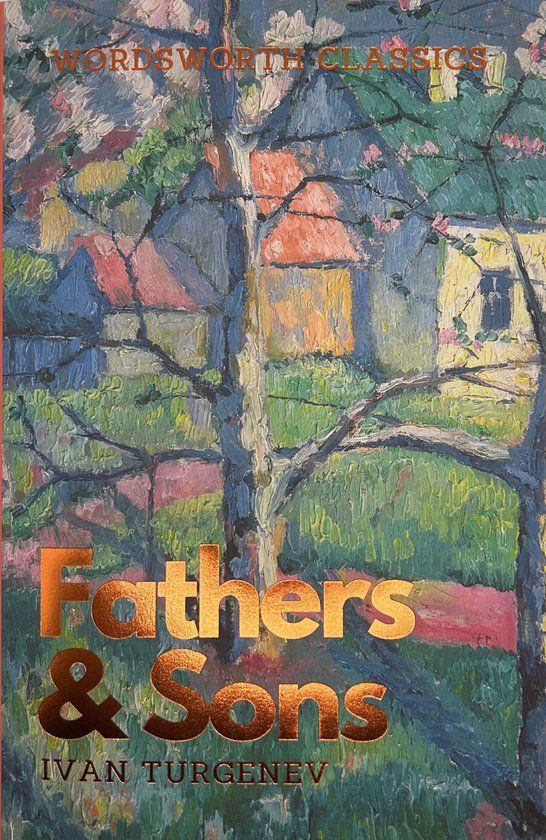
Set in 1859 at the moment when the Russian autocratic state began to move hesitantly towards social and political reform, this novel explores the conflict between the liberal-minded fathers of Russian reformist sympathies and their free-thinking intellectual sons whose revolutionary ideology threatened the stability of the state.
With an Introduction by Lionel Kelly, University of Reading. Translated by C.J. Hogarth. Fathers and Sons is one of the greatest nineteenth century Russian novels, and has long been acclaimed as Turgenev’s finest work. It is a political novel set in a domestic context, with a universal theme, the generational divide between fathers and sons. Set in 1859 at the moment when the Russian autocratic state began to move hesitantly towards social and political reform, the novel explores the conflict between the liberal-minded fathers of Russian reformist sympathies and their free-thinking intellectual sons whose revolutionary ideology threatened the stability of the state. At its centre is Evgeny Bazorov, a strong-willed antagonist of all forms of social orthodoxy who proclaims himself a nihilist and believes in the need to overthrow all the institutions of the state. As the novel develops Bazarov’s political ambitions become fatally meshed with emotional and private concerns, and his end is a tragic failure. The novel caused a bitter furore on its publication in 1862, and this, a year later, drove Turgenev from Russia.
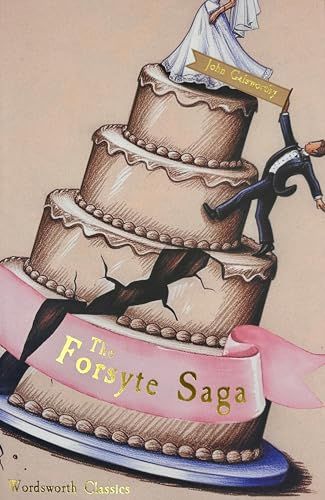
The Forsyte Saga comprises of The Man of Property, In Chancery and To Let, produced in a single volume.
With a new Introduction by Professor Cedric Watts, M.A., Ph.D.
The Forsyte Saga is Galsworthy’s enduringly popular masterpiece. Initially, the plot centres on Soames Forsyte, a successful solicitor living in London with his
beautiful wife, Irene. A pillar of the late-Victorian upper middle class, wealthy and well-connected, he seems to lead an enviable life. But beneath the respectable exterior lie acute tensions and frustrations. The marriage of Soames and Irene culminates in sexual violence and recriminations. The consequent feud within the family will be long-lasting, with ironic and dramatic outcomes.
In The Forsyte Saga, John Galsworthy analyses the achievements, confusions and hypocrisies of an era. This renowned chronicle of a divided dynasty, repeatedly filmed and televised, has engrossed audiences internationally.
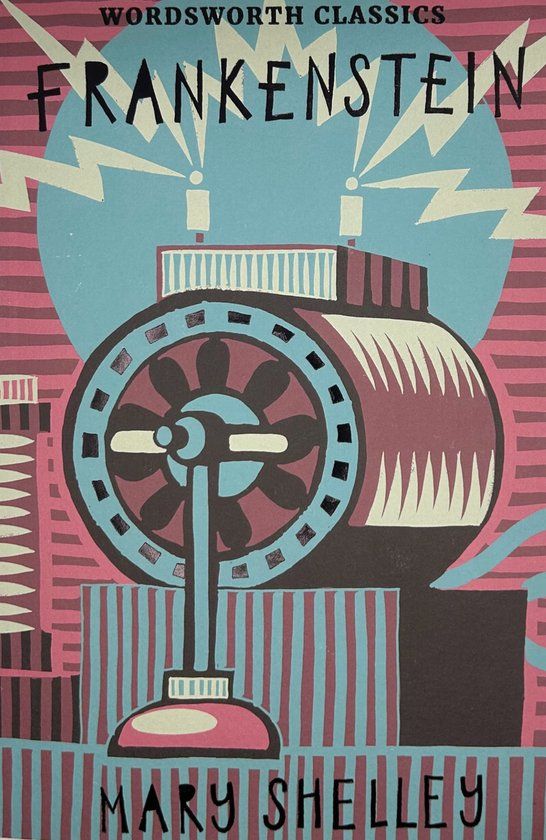
Frankenstein is a deeply disturbing story of a monstrous creation, which has terrified and chilled readers since its first publication in 1818.
Frankenstein is the classic gothic horror novel which has thrilled and engrossed readers for two centuries. Written by Mary Shelley, it is a story which she intended would ‘curdle the blood and quicken the beatings of the heart.’ The tale is a superb blend of science fiction, mystery and thriller. Victor Frankenstein driven by the mad dream of creating his own creature, experiments with alchemy and science to build a monster stitched together from dead remains. Once the creature becomes a living breathing articulate entity, it turns on its maker and the novel darkens into tragedy. The reader is very quickly swept along by the force of the elegant prose, the grotesque, surreal imagery, and the multi-layered themes in the novel. Although first published in 1818, Shelley’s masterpiece still maintains a strong grip on the imagination and has been the inspiration for numerous horror movies, television and stage adaptations.
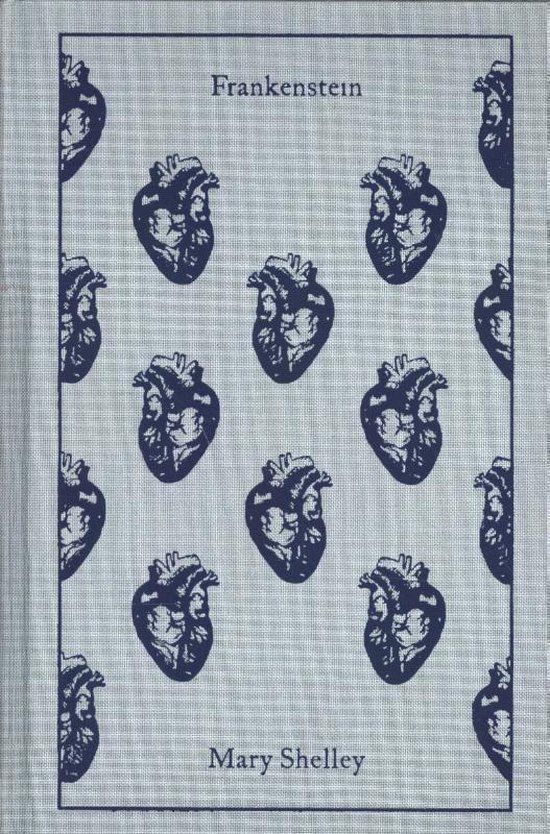
A stunning new clothbound edition of Mary Shelley’s infamous work of horror fiction, designed by the award-winning Coralie Bickford-Smith. These delectable and collectible Penguin editions are bound in high-quality colourful, tactile cloth with foil stamped into the design Obsessed by creating life itself, Victor Frankenstein plunders graveyards for the material to fashion a new being, which he shocks into life by electricity. But his botched creature, rejected by Frankenstein and denied human companionship, sets out to destroy his maker and all that he holds dear. This chilling gothic tale, begun when Mary Shelley was just nineteen years old, would become the world’s most famous work of horror fiction, and remains a devastating exploration of the limits of human creativity.
This edition also includes ‘A Fragment’ by Lord Byron and ‘The Vampyre: A Tale’ by John Polidori, as well as an introduction and notes Mary Shelley (1797-1851), the daughter of pioneering thinkers Mary Wollstonecraft and William Godwin, eloped with the poet Percy Shelley at the age of sixteen. Three years later, during a wet summer on Lake Geneva, Shelley famously wrote her masterpiece, Frankenstein. The years of her marriage were blighted by the deaths of three of her four children, and further tragedy followed in 1822, when Percy Shelley drowned in Italy. Following his death, Mary Shelley returned to England and continued to travel and write until her own death at the age of fifty-three.
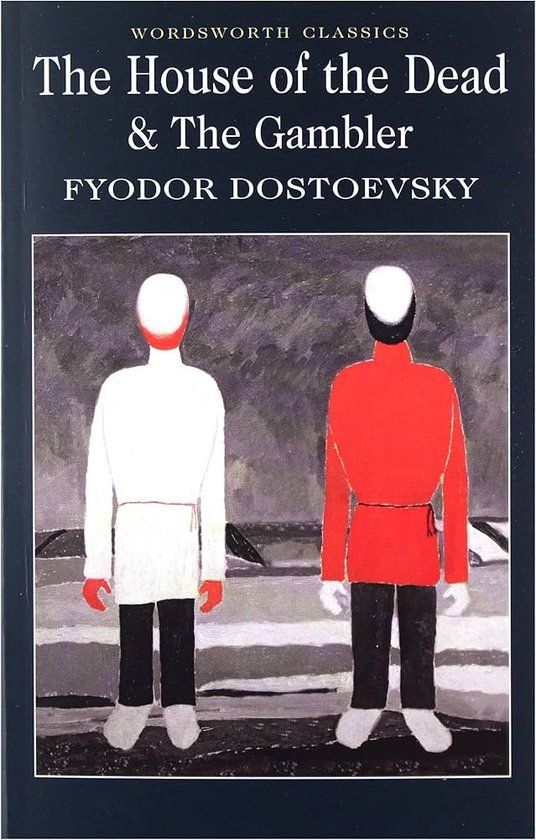
Alexey Ivanovitch is a young tutor in the household of a general. He is both observer and actor in the tempest which surrounds his impoverished employer. Everyone is waiting for the death of Granny, the general’s rich aunt, but so far from dying, she turns up alive and well, and makes her way to the casino…
Translated by Constance Garnett with an introduction by Anthony Briggs.
Dostoevsky’s fascination for mental breakdown and violence (20 murders in his four main novels) was based on his own life, and these two unmistakably autobiographical works bear this out.
The House of the Dead is fiction, but based on his four years in a Siberian prison. An educated upper-class man is condemned to live among criminals and brutal guards, with arbitrary punishments, lousy food, disgusting living conditions, hard toil and many floggings. Somehow he avoids bitterness and recrimination; faith in humanity survives. With its breadth of characterisation, acute sense of detail and strong narrative interest, this work can still shock, entertain and inspire.
In The Gambler we see the Russian community in a German spa town. Drawn to the casino, Alexey becomes obsessed with roulette. In a gripping story, full of psychological interest, his growing mania eclipses even his interest in Polina, a heroine of demonic and vibrant sexuality. Dostoevsky himself was rescued from a similar gambling obsession by the young stenographer who took down this work at his dictation and married him soon afterwards.
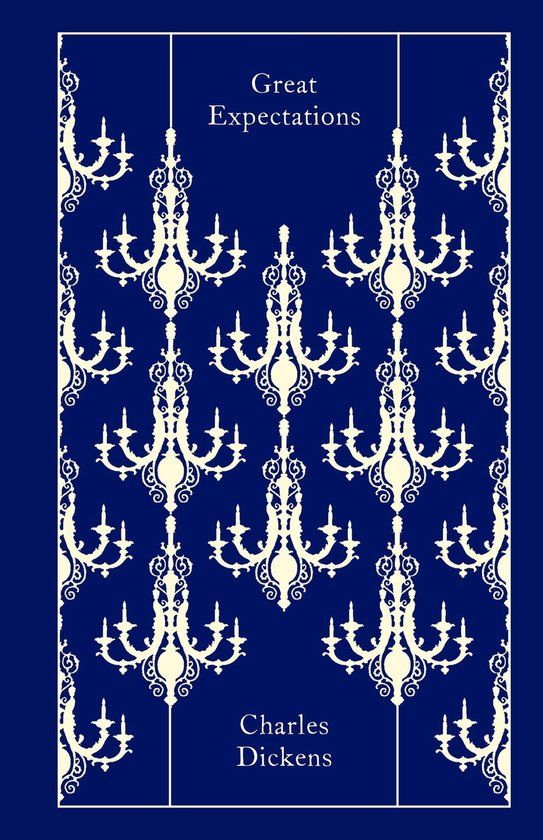
Pip doesn’t expect much from life… His sister makes it clear that her orphaned little brother is nothing but a burden on her. But suddenly things begin to change. Pip’s narrow existence is blown apart when he finds an escaped criminal, is summoned to visit a mysterious old woman and meets the icy beauty Estella.
Part of Penguin’s beautiful hardback Clothbound Classics series, designed by the award-winning Coralie Bickford-Smith, these delectable and collectible editions are bound in high-quality colourful, tactile cloth with foil stamped into the design.
Pip doesn’t expect much from life…His sister makes it clear that her orphaned little brother is nothing but a burden on her. But suddenly things begin to change. Pip’s narrow existence is blown apart when he finds an escaped criminal, is summoned to visit a mysterious old woman and meets the icy beauty Estella. Most astoundingly of all, an anonymous person gives him money to begin a new life in London.
Are these events as random as they seem? Or does Pip’s fate hang on a series of coincidences he could never have expected?
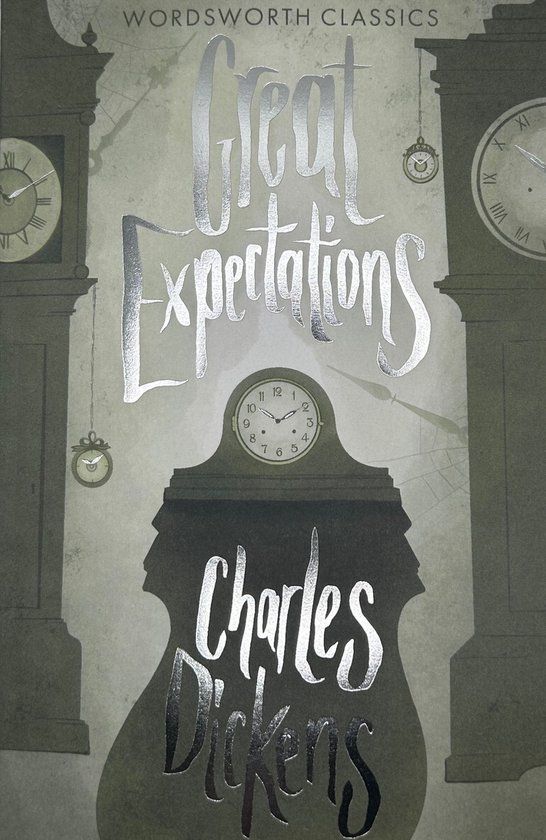
Traces the growth of the book’s narrator, Philip Pirrip (Pip), from a boy of shallow dreams to a man with depth of character. As Pip unravels truth behind his own expectations in his quest to become a gentleman, the mysteries of past and the fate through a series of adventures steers him towards maturity and an important discovery.
Considered by many to be Dickens’ finest novel, Great Expectations traces the growth of the book’s narrator, Philip Pirrip (Pip), from a boy of shallow dreams to a man with depth of character. From its famous dramatic opening on the bleak Kentish marshes, the story abounds with some of Dickens’ most memorable characters. Among them are the kindly blacksmith Joe Gargery, the mysterious convict Abel Magwitch, the eccentric Miss Haversham and her beautiful ward Estella, Pip’s good-hearted room-mate Herbert Pocket and the pompous Pumblechook. As Pip unravels the truth behind his own ‘great expectations’ in his quest to become a gentleman, the mysteries of the past and the convolutions of fate through a series of thrilling adventures serve to steer him towards maturity and his most important discovery of all – the truth about himself.